
The silence is deafening: Google’s “agentic” future leaves the WordPress economy behind
Google just announced a massive shift in how the internet shops, and the biggest platform on the web wasn’t even in the room.
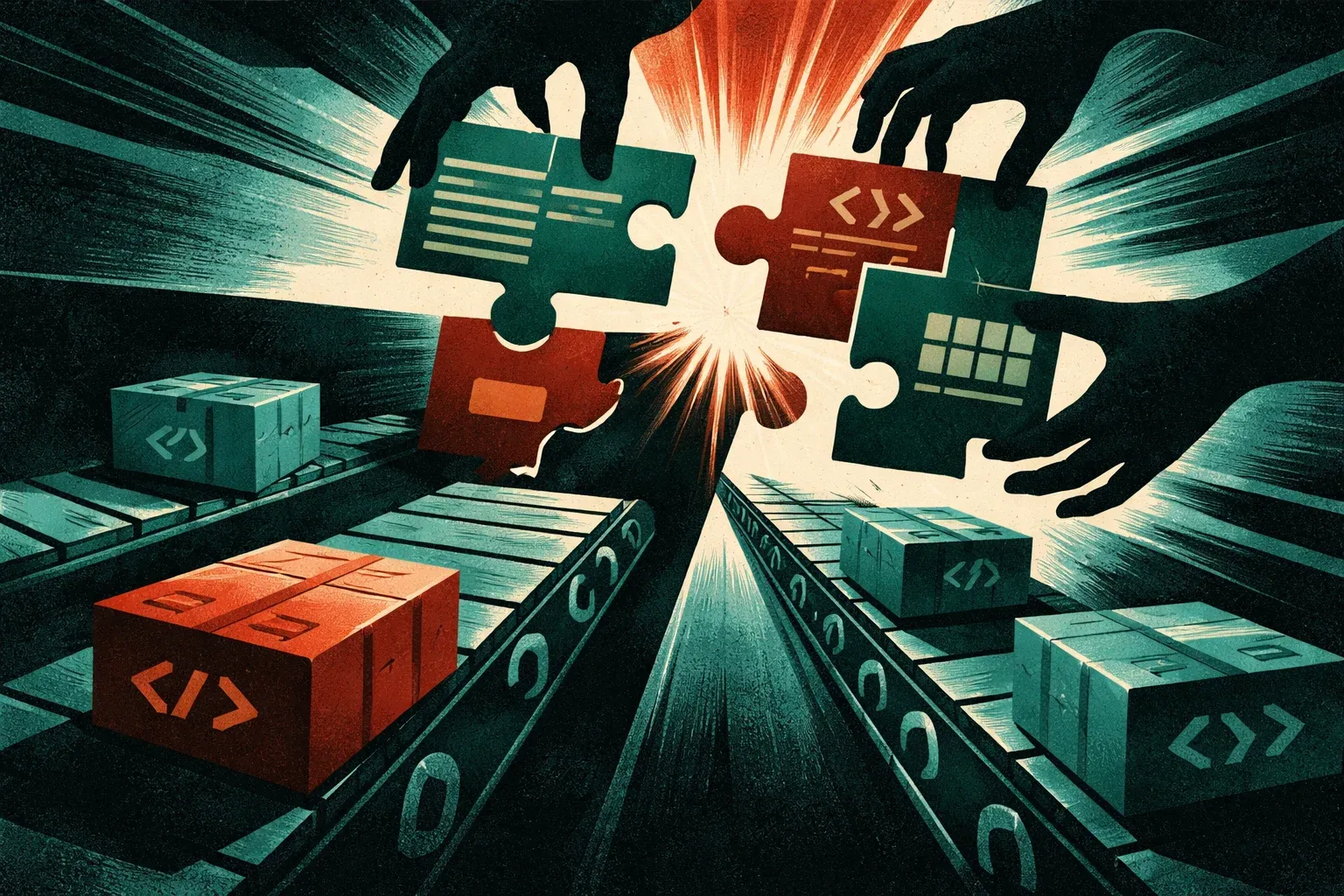
If you haven’t seen it yet, Google recently dropped a bombshell announcement regarding the future of online retail. They are rolling out a new “Universal Commerce Protocol” (UCP) and a suite of “agentic commerce” tools. In plain English? They are building a standard language for AI agents to browse, negotiate, and buy products on behalf of humans.
You can read the full announcement here: New tech and tools for retailers to succeed in an agentic shopping era.
The list of launch partners is a who’s who of modern commerce: Shopify, BigCommerce, Etsy, Wayfair, Walmart, and Target. Financial giants like Stripe, Visa, and Adyen are backing it.
But if you look closely at that list, you’ll notice a gaping hole.
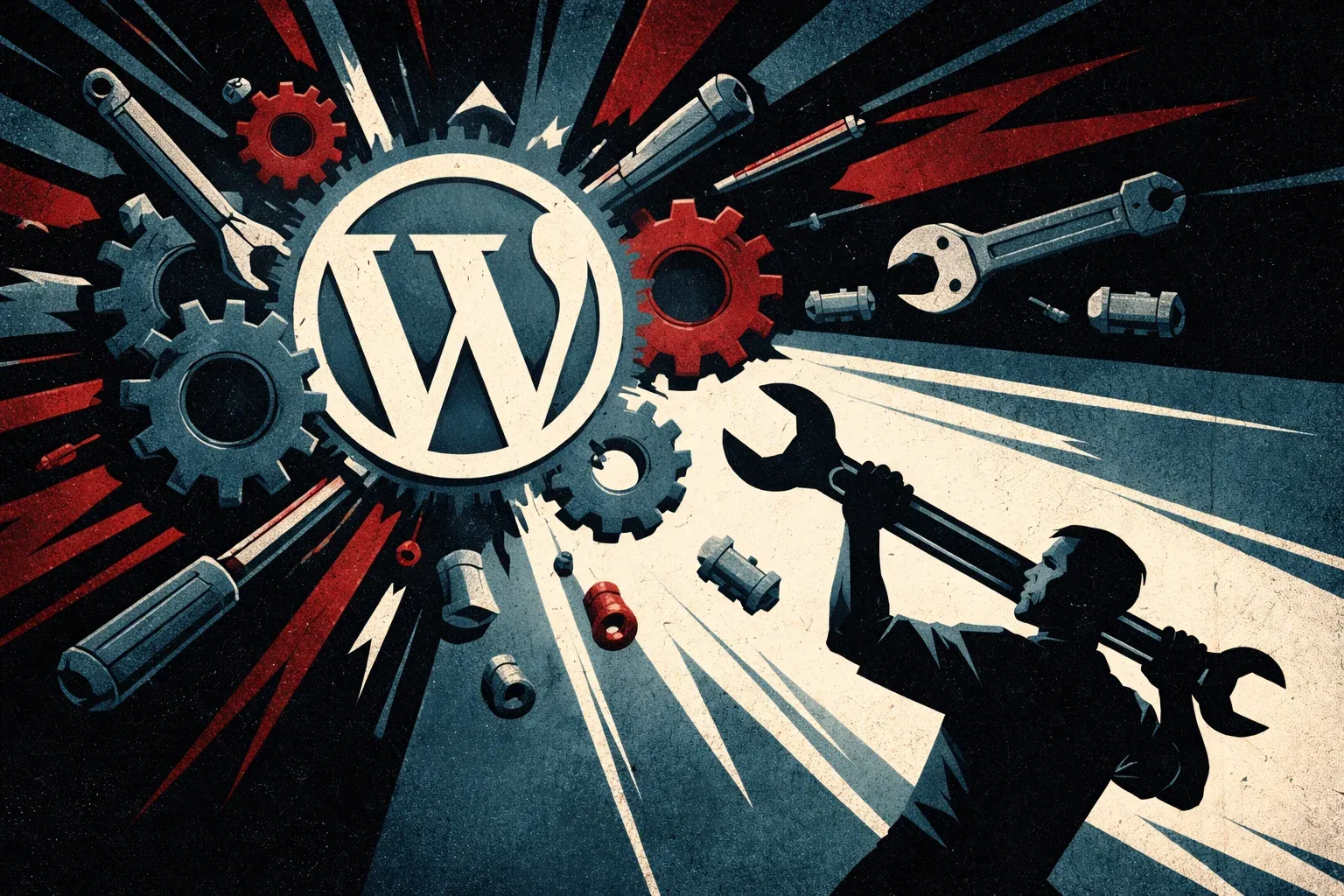
WordPress and WooCommerce are nowhere to be found.
The representation gap
This omission exposes a dangerous structural flaw in our community.
WooCommerce isn’t just a plugin; it is an economy. It feeds a massive ecosystem of hosting companies (for example, GoDaddy, WP Engine, SiteGround & Kinsta), premium plugin developers (like StellarWP, Elementor, and Awesome Motive), and thousands of agencies.
These companies have the most to lose. If WooCommerce slides into irrelevance because it can’t “speak” to Google’s new AI agents, their revenue streams dry up. Yet, none of these companies have a seat at the table.
When Google calls a meeting to define the future of the web, they (of course) don’t invite a swath of individual hosting CEOs or plugin developers. They invite the platform owner. For Shopify, that’s Tobi Lütke. For WooCommerce? It should be Automattic.
This falls squarely on Automattic’s shoulders. As the steward of the brand and the “owner” of WooCommerce, they are the only entity with the perceived authority to represent this massive ecosystem in high-level enterprise negotiations. If they aren’t in the room, we aren’t in the room.
The “open web” liability
For years, we in the WordPress community have taken pride in being the “open web”. We own our data. We don’t pay monthly platform fees to a landlord. But this announcement signals a terrifying reality: Being “open” doesn’t matter if the new gatekeepers can’t speak your language.
Google’s new protocol is designed to standardize the chaotic world of checkout and product data so that AI (specifically Gemini) can read it instantly. By partnering directly with Shopify and BigCommerce, Google is effectively creating a “fast lane” for those merchants.
- If you are on Shopify, your products will soon be natively understandable by Google’s AI agents. A user asks Gemini for “a good running shoe,” and the AI can theoretically find it, vet it, and even initiate the checkout without the user ever wrestling with a clunky website.
- If you are on WooCommerce, right now, it looks like you are stuck in the slow lane, waiting for a plugin developer to build a bridge to this new world.
The downstream disaster
The danger isn’t just that a few store owners lose sales. The danger is systemic.
If WooCommerce becomes the “Linux of ecommerce”, powerful, beloved by geeks, but invisible to the modern AI consumer, merchants will leave. And when merchants leave, they don’t just cancel a free plugin. They cancel their $50, $100, $500/month hosting plan. They cancel their plugin subscriptions. They stop hiring WP agencies.
The hosting and plugin companies that profit from the WordPress ecosystem are currently relying on Automattic to keep the platform viable at the enterprise level. But if Automattic is too distracted by legal battles or simply not prioritized by big tech, the entire downstream economy suffers.
Is there hope? (And why we need FAIR)
It’s not all doom and gloom, yet. But waiting for Automattic to fix this might be a strategy we can no longer afford.
This is exactly why initiatives like FAIR are becoming critical. We need a neutral, decentralized body that can represent the business interests of the WordPress ecosystem (the companies I mentioned above and the many others out there) without being tied to a single company’s roadmap.
If Automattic won’t sit, or doesn’t get invited to sit, at the table with Google to implement the Universal Commerce Protocol, then the hosting and plugin companies need to do it themselves. FAIR could be the vehicle to standardize our data structures, giving us a collective voice that even Google can’t (and wouldn’t even want to) ignore.
If we don’t figure out how to unify our voice, either through Automattic or through a new coalition, we won’t just be independent. We’ll be irrelevant.

Comments