The generalization tax: why WordPress is still the smart architectural base
In my previous post, I discussed the demise of code copyright and mentioned what Dries referred to as the generalization tax. This had me thinking more about what that means for WordPress and investing in its ecosystem.
For twenty years, the winning strategy in software was to build the “base layer”. WordPress won this race by becoming the engine for 40%+ of the web. It succeeded by being everything to everyone.
But as AI code generation matures, a new marketing threat is emerging. It is the promise of the “Bespoke Engine”. Why deal with the overhead of WordPress when an AI can generate a lean, custom-built solution just for your specific needs?
The two sides of the bet: Bull vs. Bear
In the world of investing, your outlook on a market is usually described as being either “Bullish” or “Bearish.”
- The Bear case (pessimistic): A “bear” believes a market or product is headed for a decline. The Bear Case for WordPress is that it has become too heavy. It pays a massive “Generalization Tax” where hundreds of developers spend thousands of hours writing code to handle edge cases for millions of users. The Bear argues that AI will allow developers to bypass this bloat entirely by building tiny, custom engines from scratch.
- The Bull case (optimistic): A “bull” believes a market will grow or remain dominant. The Bull Case for WordPress is that its massive scale is its greatest security. Because it is used by 40% of the web, its core logic is battle-tested in a way that no custom AI engine could ever be.
Why I am a proponent of the bull case
I lean toward the Bull case, but not because I want to protect the old way of doing things. I believe WordPress is the superior long-term option because it is the only way to prevent “AI Slop”.
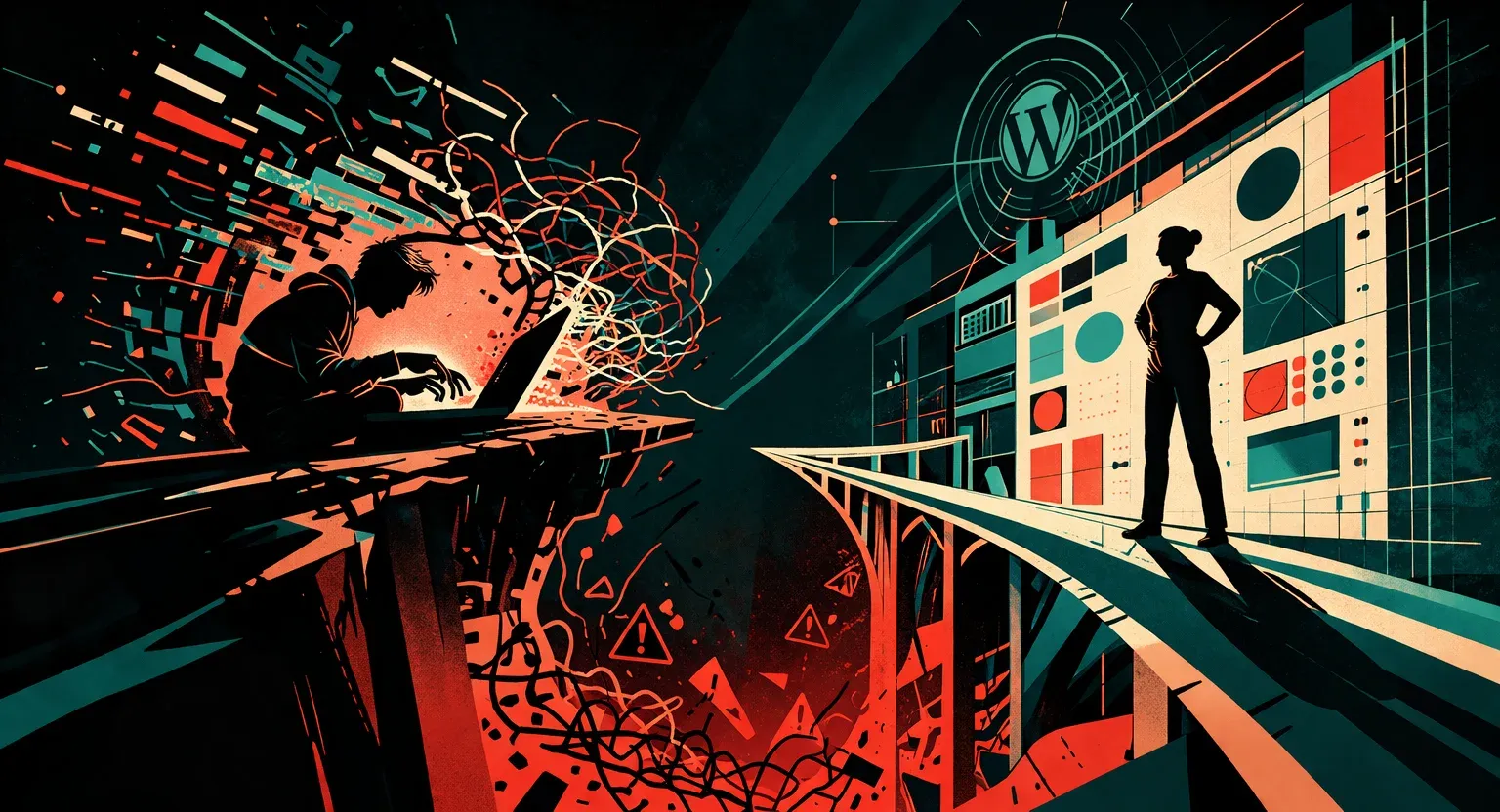
Using WordPress (along with robust tools like ACF) as a base for custom applications is a sophisticated architectural choice. If you let an AI generate a “lean, custom engine” from scratch today, you are creating a massive maintenance liability for tomorrow. Without a standardized base, that AI-generated code will eventually become “slop”: unpatchable, insecure, and disconnected from the global web standards.
The WordPress bull case is actually about risk mitigation:
- The standardized logic: WordPress handles the “boring” but critical logic (Users, Auth, Database, Security) that has been battle-tested over two decades.
- The battle-tested infrastructure: By using a generalized base for basic needs, you ensure that your custom features are built on a foundation that receives global security updates.
- The architect’s canvas: The modern architect might use AI to build high-value custom plugins on top of this base, rather than wasting time reinventing the wheel.
The marketing threat: “architecture” vs. “bespoke”
Even if the “bespoke” promise is technically fragile, the WordPress community needs a coherent answer to this marketing narrative. Right now, it doesn’t have one.
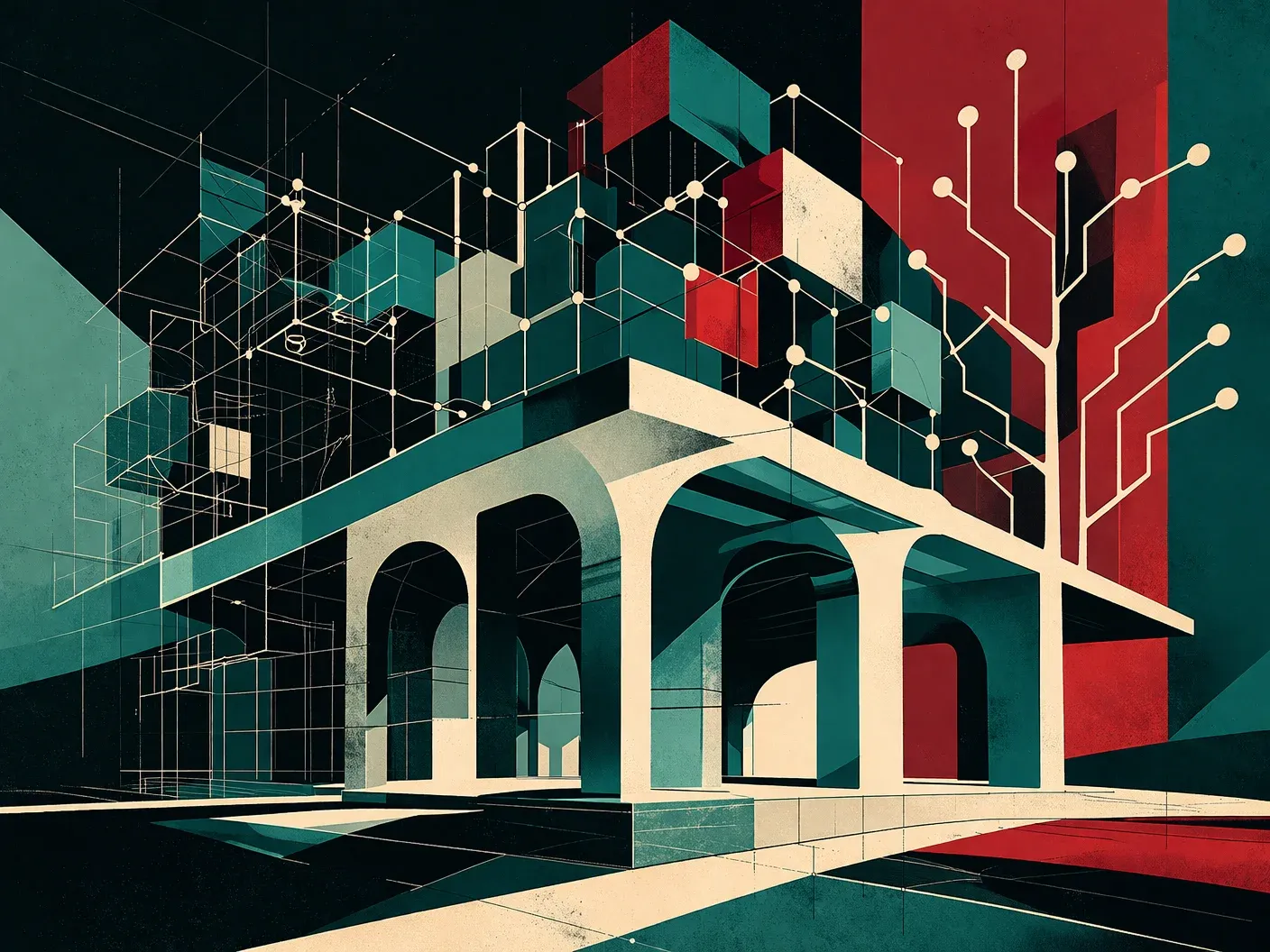
The industry is currently being told that “custom is faster.” We need to tell the story of the modern architect. In this story, the architect doesn’t spend time on the “bricks” of a login screen or a database schema. They use WordPress as their “base” to ensure their vision doesn’t turn into a technical debt nightmare three years down the road.
Conclusion: investing in maintainable scale
From an investment perspective, the value isn’t just in the market share. It is in a maintainable scale. The risk of the “AI-bespoke” movement is that it creates a fragmented web of one-off systems that will fail the moment the AI model or the underlying language evolves.
The “Generalization Tax” is real, but it is a price worth paying for a foundation that won’t crumble. If WordPress wants to win the next decade, it has to move from selling “the website builder” to selling “the foundation for AI-driven website architecture”.
Read my next post to understand why I think vibe coding is a trap.

Comments